

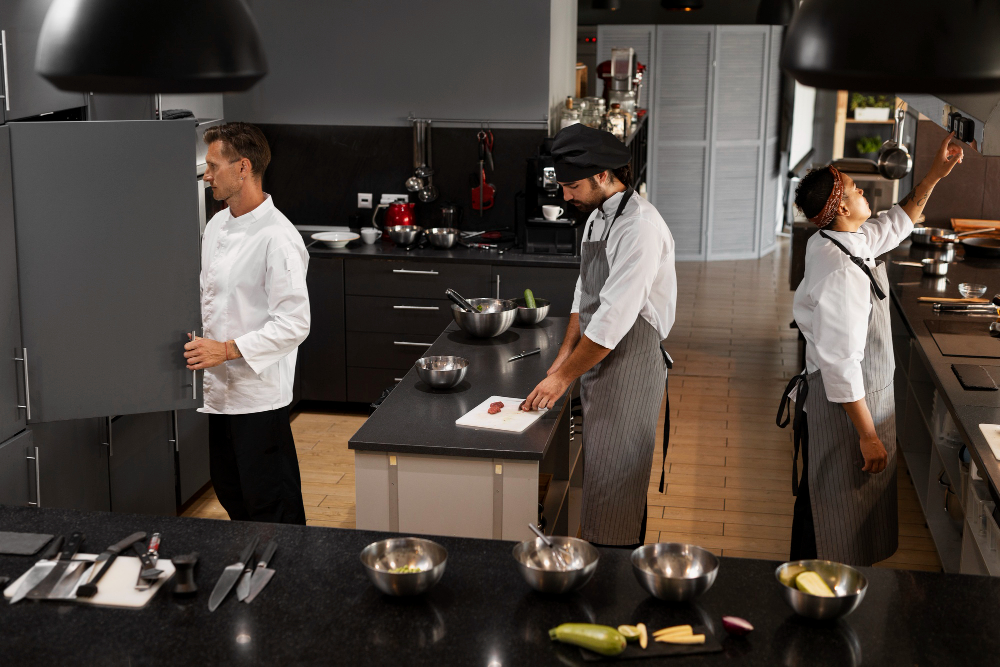
Restaurants with open kitchens are gaining popularity because they allow guests to interact directly with the food preparation process, which builds a unique atmosphere and transparency. However, such a solution poses significant ventilation challenges for owners and designers. Odors, moisture, steam and heat must be effectively controlled so as not to interfere with the comfort of customers or staff. It’s worth thinking carefully about the design of the ventilation system to create a space that is welcoming and hygienic for both guests and cooks. In this article we suggest what to pay attention to when planning ventilation in a restaurant with an open kitchen. This issue is often overlooked, and a well-functioning ventilation system can significantly increase the prestige of the premises. Air comfort also influences customers’ decision whether they will return to the restaurant. Well-maintained ventilation also means less risk of problems with health and fire inspections.
Open kitchen characteristics and ventilation challenges
Open kitchens allow culinary artistry to be showcased and create a unique atmosphere, but require a special approach to air exchange. Unlike traditional venues, where the kitchen is enclosed and separated from the room, here steam, odors and heat have an easier path to the guest space. Without proper ventilation solutions, this can lead to discomfort and even hygiene problems. Already at the design stage, it’s worth considering how to design a system that will efficiently exhaust vapors and moisture without letting them spread throughout the premises. This requires precise selection of fans, hoods and vents so that the air circulates in a controlled manner and the hospitality area remains fresh and pleasant. In addition, you need to take into account the specifics of the location – a restaurant on the ground or first floor may require different solutions due to the natural flow of air. Also, do not forget about seasonal changes in temperature and humidity, which affect the effectiveness of ventilation and the comfort of the occupants.
Choosing a ventilation system to meet restaurant specific needs
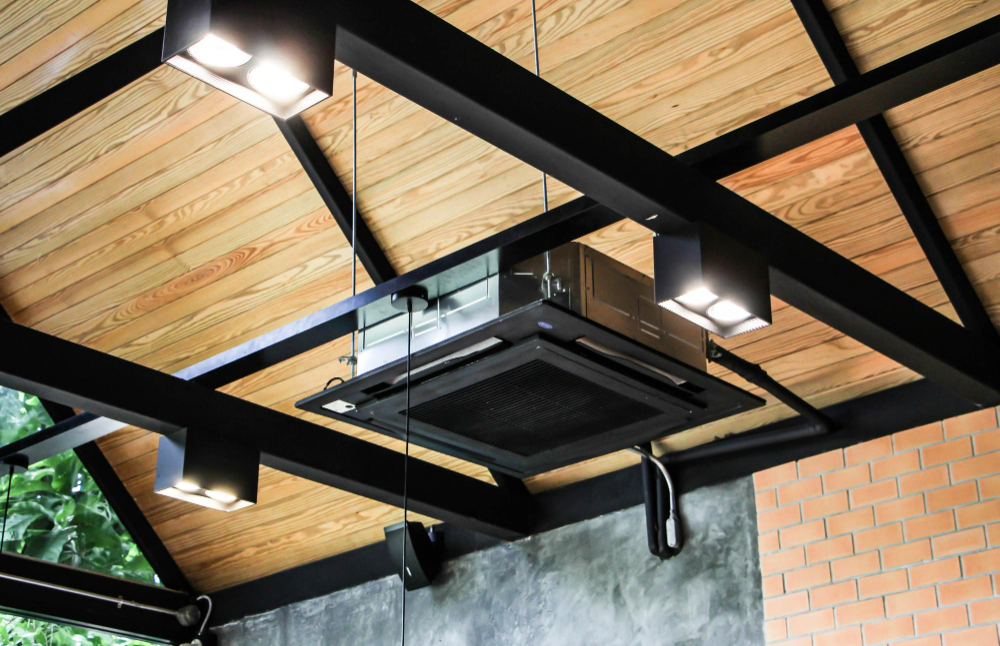
The choice of ventilation system must correspond to the size of the establishment, the intensity of the kitchen and the nature of the food offered. For example, restaurants with a lot of frying and grilling require more powerful exhaust systems to effectively remove greasy fumes and odors. Kitchen hoods should have sufficient capacity to prevent grease from settling on walls and equipment, making it difficult to maintain cleanliness. The supply system, on the other hand, must provide fresh air at a rate balanced with the exhaust to avoid negative pressure and uncontrolled drafts. A well-designed system also takes into account the possibility of heat recovery and automatic adjustment of ventilation intensity to the current conditions in the restaurant. This translates into energy savings and better thermal comfort for guests and employees. In addition, modern solutions can offer remote control and monitoring of the system’s operation, making it easier to manage and quickly respond to any problems.
Ventilation noise and the comfort of guests and employees
Ventilation should work efficiently, but also not interfere with conversations or the work of cooks. Noise generated by fans and ventilation ducts can be very disruptive, especially in premises where the emphasis is on an intimate atmosphere. Therefore, when designing the system, it is worth paying attention to the selection of equipment with low noise levels and the use of acoustic dampers and soundproofing materials. Speed-controlled fans allow you to adjust the intensity of operation to the needs of the premises, which helps reduce noise during lower occupancy. In addition, proper air distribution helps avoid unpleasant drafts and uneven cooling or heating, which increases the comfort of everyone in the restaurant. Aesthetics should not be forgotten either – ventilation elements should be discreet and blend in with the interior so as not to spoil the aesthetic experience. Well-designed ventilation can even emphasize the design of the interior, if the devices are properly hidden or are an interesting design element.

Maintenance and service of ventilation – what do you need to remember?
A ventilation system is an investment that requires regular care. Where the air is full of grease and fumes, filters and ducts quickly become dirty, which reduces the effectiveness of ventilation and can lead to more serious failures. Regular cleaning of filters and ducts helps maintain high air quality and prevents the growth of bacteria or mold. It’s also an important safety precaution, as grease buildup can be the cause of a fire. Scheduling ventilation service and inspections is a way to avoid unexpected problems and keep your premises in perfect condition for many years. In addition, an efficient system uses less energy, which translates into lower bills and a lower environmental impact. So it’s worthwhile to set a maintenance schedule in advance and choose a company that will professionally take care of the ventilation throughout the restaurant’s operation. It is also important to remember to educate the staff on the operation and basic maintenance of the equipment, allowing them to react quickly to the first signs of failure.