

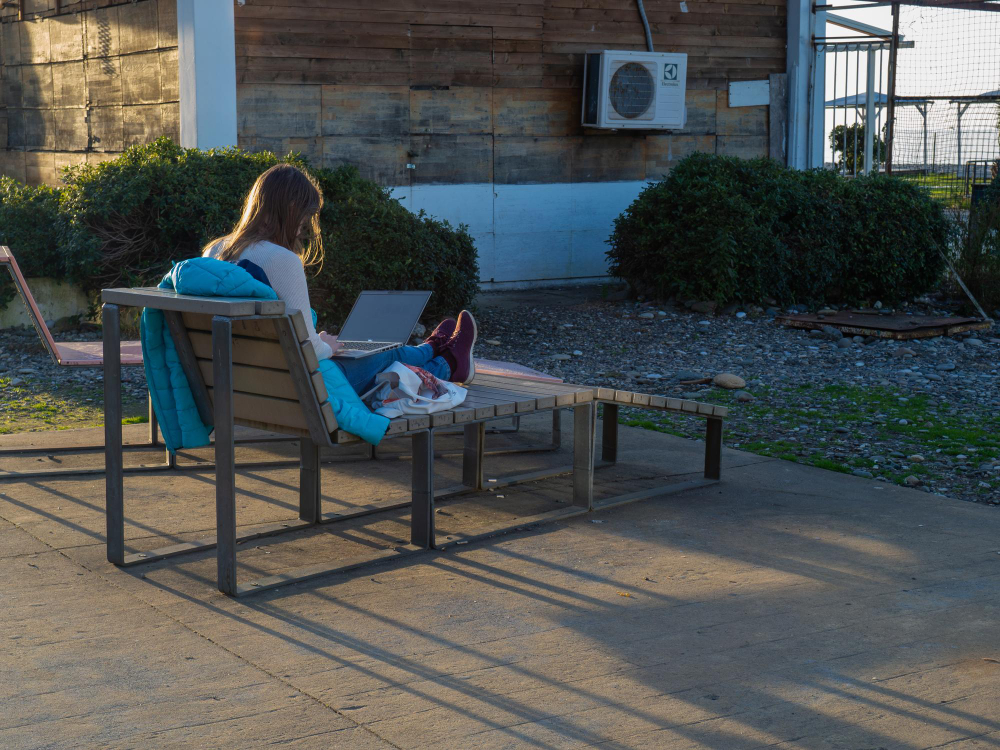
For many, a summer holiday in a holiday home is a true oasis of peace, a respite from the hustle and bustle of the city and the daily rush. However, during hot days, high temperatures can effectively spoil the comfort, causing fatigue, sleep problems and general malaise. When considering cooling solutions, it is worth thinking carefully about how to use air conditioning effectively and economically, so that you can enjoy a cool interior only when you really need it. In holiday homes, it is particularly important to choose a system that is suited to seasonal use and to consider natural ways of limiting the heating of rooms.
Stationary air conditioning — efficiency and comfort in the summer season
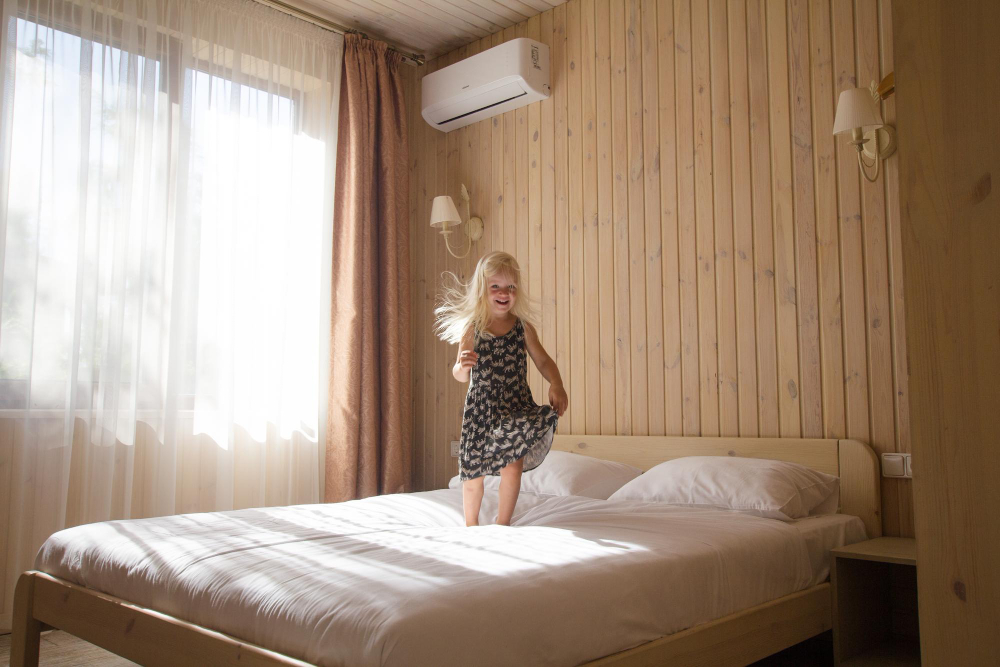
In summer houses, which are mainly used during the summer season, the best and most effective solution is to choose a split or multi-split stationary air conditioning system. These systems consist of two main units — an external unit, which removes heat outside, and an internal unit, which cools the air in the room. Thanks to this design, stationary air conditioners are characterised by high cooling efficiency and low noise levels inside, which significantly increases the comfort of use.
The installation of a split system may require a slightly higher investment, especially if the summer house was not prepared for this type of equipment. However, this investment pays for itself through the long service life of the equipment and savings resulting from lower energy consumption compared to portable air conditioners. Multi-split systems, which allow several rooms to be served from a single outdoor unit, further increase flexibility of use. The ability to individually control the temperature in different parts of the cottage allows cooling to be limited only to the areas where we are present, which translates into lower operating costs.
Thanks to the stable and even operation of stationary air conditioning, you can count on significantly higher thermal comfort than when using portable devices. They are also more durable and easier to maintain in the long term, which is important for seasonal use. The ability to secure and shut down the system during the off-season further protects the equipment from damage and wear.
Portable air conditioners — an alternative, but not without drawbacks
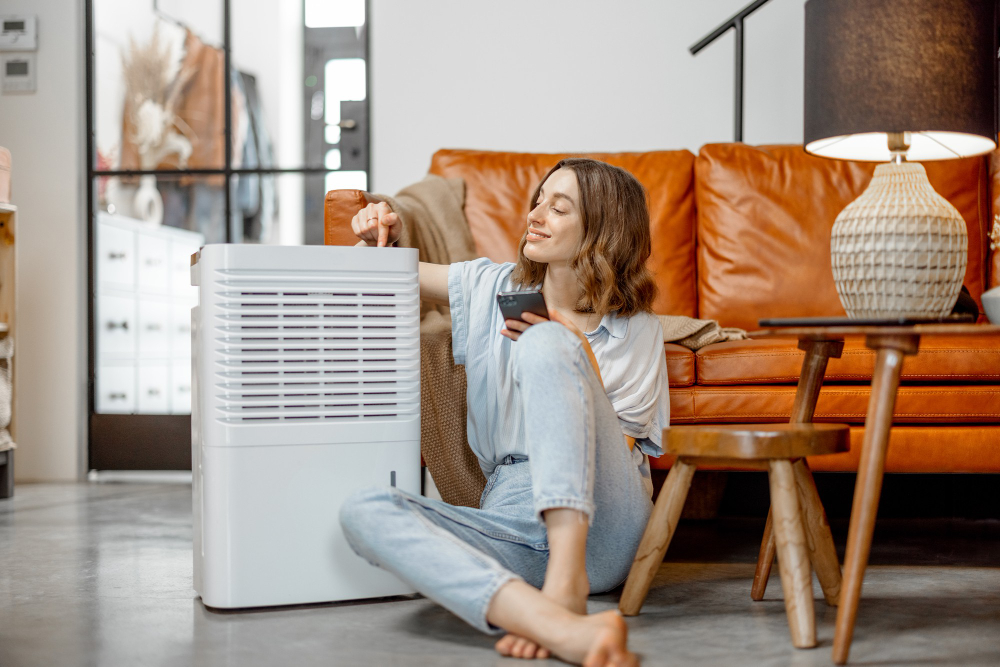
There are many portable air conditioners on the market that are tempting due to their ease of installation and mobility. They may seem like a convenient solution in summer houses, especially when the installation of a stationary system is difficult or impossible. However, it is worth approaching them with caution, as their efficiency and comfort of use often leave much to be desired.
Portable air conditioners require a pipe to be installed to remove warm air to the outside, which often causes leaks around windows and thus the escape of cooled air. For this reason, cooling the room can be less effective, and the device works harder, consuming more energy. In addition, portable models are usually louder than split air conditioners, which can disturb peace and rest.
It is also worth remembering that portable devices have limited power and are best suited for small rooms or as a temporary solution. They are not suitable for long-term and comfortable cooling of an entire summer cottage. For this reason, it is best to treat them as an emergency alternative or supplement to stationary air conditioning, rather than as the main cooling system.
Using architecture and the environment to combat heat
Natural methods of reducing the heating of a cottage can significantly reduce the need for air conditioning and lower operating costs. A well-thought-out design and proper use of the environment are the foundation of effective cooling.
Shading windows is one of the simplest and most effective ways to reduce interior heating. Installing external roller blinds, façade blinds or awnings can reduce the amount of sunlight reaching the windows by up to several dozen percent. This keeps rooms cooler for longer, and the air conditioner does not have to run at full capacity.
The vegetation around the house plays a double role — it provides shade and cools the air through transpiration. Planting deciduous trees on the south side of the building or using climbing plants on the facades are natural sun barriers that not only improve thermal comfort but also enhance the aesthetic value of the property.
Natural ventilation is also important — airing the house at night allows heated air to be replaced with cooler air from outside. Creating draughts by opening windows and doors appropriately allows the interior to be cooled effectively without using energy. In addition, light-coloured facades and roofs reflect the sun’s rays, preventing the walls and attic from heating up. Well-executed thermal insulation and airtightness of the building help to keep the coolness inside and protect against excessive heating.
Optimal use of air conditioning — comfort and cost savings
The key to cheap and effective cooling is not only choosing the right system, but also using it consciously and sensibly. The optimal temperature to set your air conditioner to is around 24-25 degrees Celsius. This allows you to maintain a comfortable indoor climate while preventing excessive energy consumption, which occurs when the settings are too low.
Modern stationary air conditioners offer many energy-efficient features, such as automatic modes, timers and night modes. These allow the device to adjust its operation to current needs, minimising unnecessary power consumption. It is worth taking advantage of these features and setting the air conditioner to operate only when necessary.
Regular maintenance of the system — primarily cleaning and replacing filters — is essential to maintain its high performance. Dirty filters force the device to work harder, which increases energy consumption and shortens the life of the equipment. During the summer season, well-planned service inspections will help avoid breakdowns and ensure stable operation throughout the entire service life.
For those looking for additional savings, the installation of photovoltaic panels is an increasingly popular solution. In summer, when energy consumption for cooling is at its highest, the panels generate the most electricity, which can power the air conditioning, significantly reducing operating costs and reducing the user’s carbon footprint.